
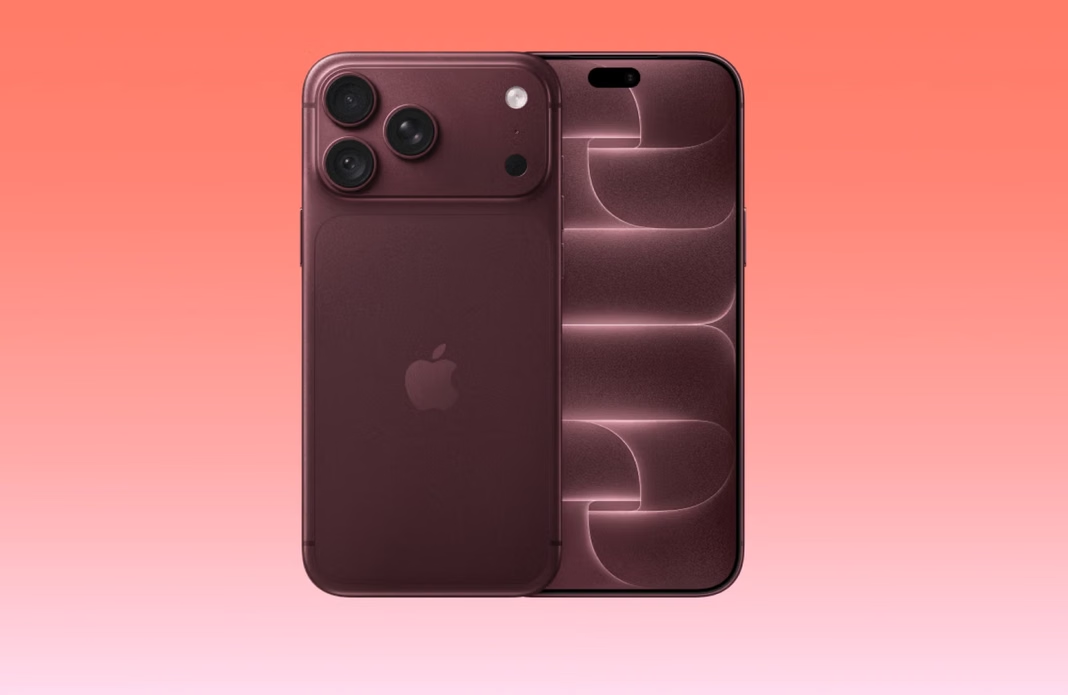

Apple has officially introduced the iPhone 18 Pro and iPhone 18 Pro Max, but there is an important detail that buyers should know: these phones are not available in stores yet. Apple has opened the door to pre-orders, with the devices scheduled to become available on September 18, 2026.
That means this is not a traditional long-term review. Instead, this is a first look at what Apple has changed, based on the company’s official specifications and early hands-on impressions from journalists who have already used the devices.
A Familiar Design With Some Small Changes
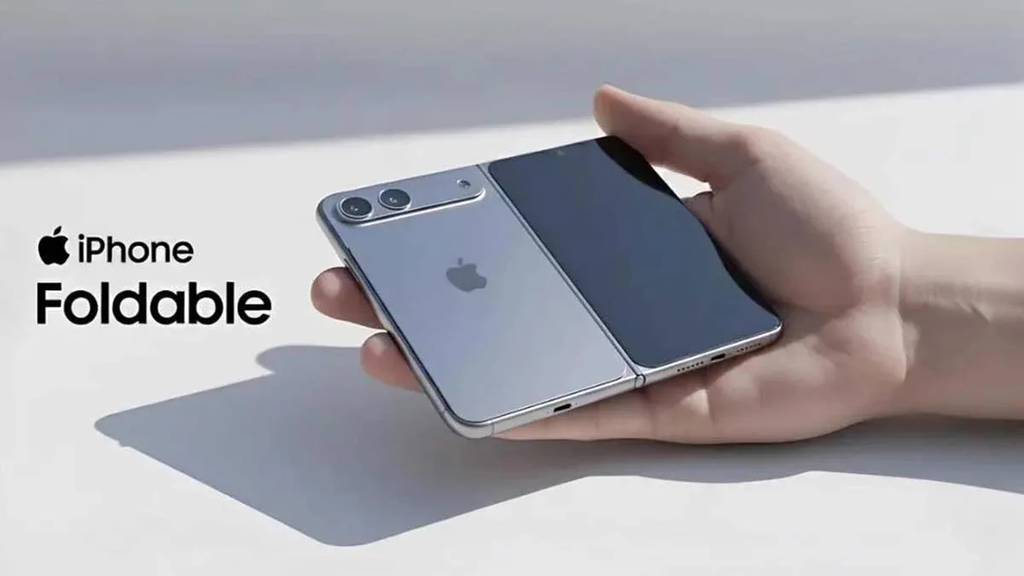
At first glance, the iPhone 18 Pro does not look dramatically different from the previous generation.
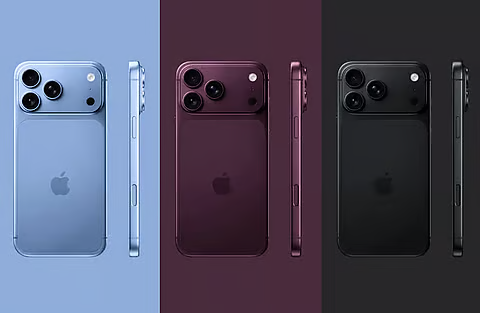
Apple has kept the overall Pro design language, including the aluminum body and familiar screen sizes. However, there are some visual changes. The new Pro models are available in black, silver, glacier and burgundy, with color-matched glass on the back.
The Dynamic Island has also become smaller. Apple says the redesigned area can display up to three Live Activities at the same time.
These changes are not enough to make the iPhone 18 Pro look like a completely new phone, but they show that Apple is continuing to refine the existing design rather than completely redesigning it.
The Camera Is the Biggest Story
The most interesting upgrade on the iPhone 18 Pro is arguably the main camera.
Apple has introduced a mechanical variable aperture on the 48-megapixel main camera. Users can select between f/1.48, f/1.8, f/2.8 and f/4.0, while the camera can also automatically select the appropriate setting.
This gives the iPhone a type of manual camera control that has traditionally been more common on dedicated cameras and professional photography apps.
Apple has also added manual controls for shutter speed, white balance and focus directly inside the native Camera app.
For photographers, this is a much more meaningful change than simply increasing the megapixel count.
The wider f/1.48 aperture could also be particularly useful in low-light photography. It allows more light to reach the sensor and may help create a more natural background blur in certain situations.
However, it is important not to overstate the feature. A variable aperture does not automatically turn an iPhone into a professional camera. Smartphone sensors are still much smaller than those found in dedicated cameras, so the real-world difference will depend heavily on the scene and shooting conditions.
Apple Is Finally Giving Users More Manual Control
One of the things I find particularly interesting about the iPhone 18 Pro is that Apple is bringing more traditional photography controls into its own camera application.
Previously, users who wanted detailed manual controls often had to rely on third-party camera applications.
With the iPhone 18 Pro, users can control important settings such as shutter speed, focus and white balance without leaving Apple’s own Camera app.
This could make the Pro models more attractive to photographers, filmmakers and creators who want more control but still want the simplicity of the iPhone camera system.
A20 Pro: More Than Just a New Name
The iPhone 18 Pro is powered by Apple’s new A20 Pro chip.
Apple has moved to a new 2nm architecture for the chip, with a six-core CPU, seven-core GPU and 32-core Neural Engine.
The upgrade is not only about making the phone faster. Modern smartphone processors are increasingly important for AI features, image processing, video processing and sustained performance.
That makes the A20 Pro particularly relevant as Apple continues expanding Apple Intelligence and other on-device features.
However, benchmark numbers and long-term thermal performance should be judged after independent testing becomes available. At this stage, claims about real-world performance should be treated as early impressions rather than final conclusions.
Battery Life Looks Promising
Battery life is another area where Apple is making a strong claim.
The company rates the iPhone 18 Pro for up to 36 hours of video playback, while the Pro Max is rated for up to 45 hours.
Those numbers look impressive on paper, but they are not the same thing as saying that every user will get 36 or 45 hours of normal everyday use.
Actual battery life will depend on factors such as brightness, mobile network usage, gaming, camera use, video streaming and background activity.
The iPhone 18 Pro also supports faster charging, which should make short charging sessions more useful for people who frequently run their battery low during the day.
Price: The Upgrade Is Getting More Expensive
The iPhone 18 Pro starts at $1,199 with 256GB of storage.
The iPhone 18 Pro Max starts at $1,299, also with 256GB.
Storage options go as high as 2TB.
The starting price is higher than the previous generation, making the upgrade decision more difficult for existing iPhone Pro owners.
For someone already using a recent Pro model, the question is no longer simply whether the new iPhone is better. It is whether the new features are important enough to justify spending more money.
What About the Regular iPhone 18?
There is another unusual part of Apple’s 2026 iPhone launch.
Apple did not introduce the regular iPhone 18 alongside the Pro models at its September event.
The company instead focused on the premium Pro lineup, meaning customers looking for the standard iPhone 18 will have to wait for a later launch.
This is an important distinction because many previous iPhone generations launched their standard and Pro models together.
Should You Upgrade?
If you already own an iPhone 17 Pro, the upgrade decision is not obvious.
The iPhone 18 Pro does not completely change the design, and many of the everyday experiences will still feel familiar.
The camera improvements are more interesting. The variable aperture, manual controls and wider maximum aperture could be valuable for people who regularly take photos or shoot video.
The A20 Pro is also an important upgrade for users who care about demanding applications, gaming, AI processing and long-term performance.
But for someone who mainly uses an iPhone for WhatsApp, Instagram, YouTube, browsing and normal photography, the difference may not be dramatic enough to justify an immediate upgrade.
For owners of much older iPhones, however, the situation is different. Moving from an older generation to the iPhone 18 Pro could bring much larger improvements in performance, cameras, battery life and overall experience.
My First Impression
The iPhone 18 Pro feels less like a complete redesign and more like Apple is refining the Pro iPhone into a more capable creator-focused device.
The variable-aperture camera is the feature that stands out the most, but the combination of manual camera controls, A20 Pro performance, improved battery life and a smaller Dynamic Island makes the overall package more interesting.
At the same time, I would not call the iPhone 18 Pro a must-have upgrade for every existing iPhone owner.
The phone has not reached general availability yet, so there are still questions that only longer-term testing can answer, especially regarding battery performance, camera quality in different conditions, sustained performance and the practical benefits of the new aperture system.
For now, the iPhone 18 Pro looks like a strong evolution of Apple’s Pro lineup rather than a revolutionary redesign.
Early verdict: Promising upgrade, especially for photographers and power users — but wait for independent testing before making the final buying decision.