Open Source Software Sustainability and Business Models
Open source software sustainability requires viable business models balancing community values with revenue generation through support, cloud, licensing, and governance innovations.
Introduction
Open source software has become the foundation of modern technology infrastructure, powering everything from operating systems and web servers to artificial intelligence frameworks and cloud-native platforms. Yet the sustainability of open source projects faces unprecedented challenges as the scale of adoption has outpaced the development of sustainable funding models. The question of how to maintain, secure, and evolve critical open source infrastructure has moved from a niche concern to a mainstream technology industry issue with implications for global digital infrastructure.
By 2026, the tension between open source ideals and commercial sustainability has intensified as major projects have adopted controversial licensing changes, cloud providers have generated substantial revenue from open source software without proportionally contributing back, and maintainer burnout has reached crisis levels in many communities. The open source ecosystem is undergoing a fundamental transformation in how value is created, captured, and distributed, with new business models, governance structures, and funding mechanisms emerging to address long-standing sustainability challenges.
This article examines the current state of open source software sustainability, analyzing the business models that have evolved to support open source development, the challenges that remain unresolved, and the innovations in governance and funding that are shaping the future of open source. The analysis draws on examples from major projects, industry data, and the experiences of maintainers and commercial entities across the open source ecosystem.
Background
Open source software has a history dating to the early days of computing, but the modern open source movement crystallized in the 1990s with the release of the GNU General Public License and the founding of the Open Source Initiative in 1998. The early open source ecosystem was characterized by volunteer-driven projects supported by donations, institutional sponsorship from universities and research organizations, and the personal time and passion of individual developers. The commercial potential of open source was demonstrated by companies including Red Hat, MySQL, and JBoss, which built successful businesses around open source software through support and services.
The economic landscape of open source shifted dramatically with the rise of cloud computing and the platform business model. Cloud providers including Amazon Web Services, Google Cloud, and Microsoft Azure began offering managed services based on open source software, generating substantial revenue while contributing relatively little back to the projects they depended on. This pattern, described as the open source value gap, created tension between project creators and cloud providers and drove significant changes in open source licensing strategy.
The venture capital-backed open source startup model emerged in the 2010s as investors recognized the potential for commercial open source companies to achieve significant scale. Companies including MongoDB, Elastic, HashiCorp, and Databricks raised hundreds of millions of dollars in venture funding, built large commercial businesses around open source projects, and in cases pursued initial public offerings. The venture model brought resources and growth to open source projects but also created tensions between community governance and commercial priorities, particularly as investors sought returns through licensing changes and monetization strategies that sometimes conflicted with open source principles.
The COVID-19 pandemic and subsequent period intensified both the importance of open source software and the challenges of sustainment. Open source software usage increased dramatically as organizations accelerated digital transformation initiatives. At the same time, maintainer burnout became more visible, with projects struggling to keep up with security vulnerabilities, feature requests, and community management demands. The Log4j vulnerability in late 2021 highlighted the systemic risk posed by under-maintained open source dependencies that are critical to global infrastructure.
Business Models
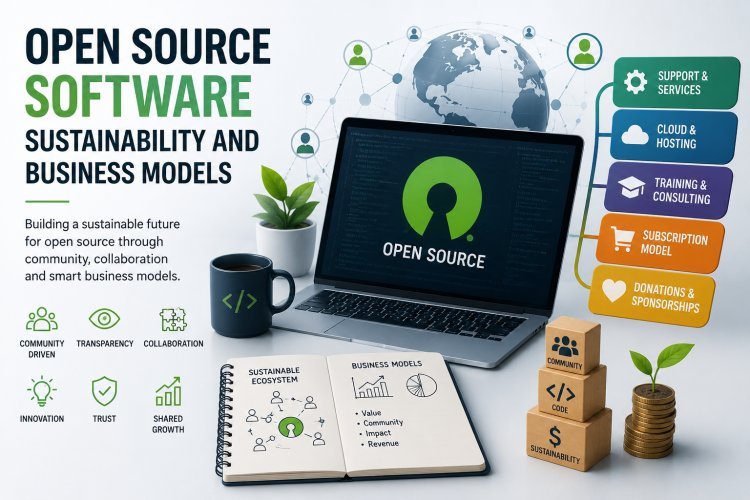
Open core licensing is the most common commercial open source business model, combining a freely available core version of the software with proprietary features available through paid licenses. The open core model enables projects to build community adoption and ecosystem around the core while generating revenue from enterprise customers who need advanced functionality, compliance features, or support. Successful examples include GitLab, which provides a free community edition alongside paid tiers with enterprise features, and Elastic, which offers both open source and commercially licensed components. The open core model has been criticized for creating tension between community users and commercial customers, particularly when features are moved from the open core to the proprietary tier.
The software-as-a-service model has become increasingly important for open source companies. Organizations that build on open source projects can access managed cloud services that handle infrastructure, scaling, backups, and maintenance in exchange for subscription fees. This model aligns the interests of the open source project with the cloud provider, as improvements to the underlying software benefit both the community and the managed service. MongoDB Atlas, Elastic Cloud, and GitLab.com exemplify the SaaS model for open source companies, with these services generating the majority of revenue for their parent companies.
Support and consulting services represented the original commercial open source business model and remain viable for many projects. Companies including Red Hat and Canonical built billion-dollar businesses primarily through support subscriptions that provide guaranteed response times, security updates, and technical expertise. The support model works particularly well for infrastructure software where organizations value vendor assurance and expertise. However, the support model typically generates lower revenue per customer than SaaS or open core licensing, and scaling support organizations is labor-intensive.
Sponsorship and foundation models provide alternative funding structures for projects that prioritize community governance over commercial control. The Apache Software Foundation, Linux Foundation, and Cloud Native Computing Foundation host hundreds of projects under governance models that separate project direction from commercial influence. Foundation-hosted projects receive funding through corporate membership fees, event revenue, and donations, using these resources to fund infrastructure, community management, and in some cases paid maintainers. The sponsorship model works well for infrastructure projects that serve broad industry needs but is less suited for application-layer projects that require product management and user experience investment.
Challenges
Maintainer burnout and volunteer sustainability represent the most human challenge in open source. Many critical open source projects are maintained by a small number of volunteers who receive little or no compensation for their work, despite their software being used by millions of people and major corporations. The expectation of free support, the pressure of security vulnerability response, and the endless stream of feature requests and bug reports create unsustainable workloads. Studies show that a significant percentage of open source maintainers have considered or are considering abandoning their projects due to burnout, creating systemic risk for the global software supply chain.
Licensing complexity and controversy have intensified as projects seek to protect their commercial interests while maintaining open source credentials. The emergence of source-available licenses, business source licenses, and custom community licenses has created confusion about what constitutes open source software. The Open Source Initiative has maintained its definition of open source, but many projects that identify as open source use licenses that do not meet the OSI definition. This licensing fragmentation makes it difficult for organizations to evaluate and adopt open source software with confidence in their legal and compliance positions.
The cloud value gap remains a contentious issue despite licensing changes and business model evolution. Cloud providers continue to generate significant revenue from open source software without contributing proportionally to its development and maintenance. While some cloud providers have increased their contributions through foundation funding, sponsored development, and engineering participation, critics argue that these contributions remain far below the value extracted from open source ecosystems. The tension between cloud providers and open source creators continues to drive licensing innovation and business model experimentation.
Diversity and inclusion challenges affect the long-term health and innovation capacity of open source communities. Open source contributor demographics continue to skew heavily toward male, white, and Global North participants, limiting the diversity of perspectives that inform software development. Barriers to participation including hostile community interactions, lack of mentorship, documentation gaps, and unconscious bias in review processes discourage participation from underrepresented groups. Organizations and foundations have implemented programs to improve diversity, including outreach programs, code of conduct enforcement, and inclusive community guidelines.
Industry Impact
Open source software has become economically indispensable across every industry sector. The majority of modern applications incorporate open source components, with some estimates suggesting that 70 to 90 percent of code in typical applications comes from open source dependencies. The economic value of open source software is measured in trillions of dollars when accounting for the development cost savings, accelerated innovation, and reduced barriers to entry that open source provides. Organizations that have built their businesses on open source, including Red Hat, MongoDB, Elastic, and HashiCorp, have achieved market valuations in the tens of billions of dollars.
The open source security landscape has received unprecedented attention following a series of high-profile vulnerabilities. The Log4j vulnerability in 2021, the XZ Utils backdoor incident in 2024, and other supply chain security incidents have driven investment in software bill of materials tools, vulnerability scanning, dependency management, and security auditing for open source components. The US government's Executive Order on Improving the Nation's Cybersecurity and subsequent initiatives have mandated software supply chain security practices for government software suppliers, driving industry-wide improvements in open source security practices.
The corporate adoption of open source has shifted from consumption to participation. Organizations that once only used open source software now employ open source developers, contribute patches and features upstream, sponsor open source foundations, and build their products on open source platforms. The strategic value of open source participation is widely recognized for recruiting, brand building, technical influence, and ecosystem development. Companies that actively participate in open source communities report better developer recruitment outcomes and stronger technical relationships with key partners.
Future Outlook
Government funding and regulation of open source are emerging trends that could significantly reshape the ecosystem. Several governments have established funding programs for critical open source infrastructure, recognizing open source software as public digital infrastructure that requires public investment. The European Union's Open Source Software Funding program and various national initiatives provide models for public investment in open source sustainability. Regulatory frameworks for software supply chain security, cyber resilience, and digital sovereignty will increasingly affect how open source software is developed, distributed, and consumed.
New funding mechanisms including open source collective investment funds, streamed revenue sharing, and blockchain-based token models are being explored to address sustainability challenges. Platforms including GitHub Sponsors, Open Collective, and Polar enable direct financial support for open source maintainers and projects. While these platforms have grown significantly, the total funding flowing through them remains small relative to the value generated by open source software. The long-term viability of direct patronage models for sustaining critical infrastructure remains uncertain.
AI-generated code and its implications for open source present both opportunities and challenges. Large language models trained on open source code repositories can generate code that incorporates patterns and solutions from millions of open source projects, potentially accelerating development while raising questions about attribution, licensing compliance, and the economic incentives for creating open source code in the first place. The intersection of AI and open source will be a defining issue for the software industry in the coming years.
FAQ
What is the most sustainable business model for open source projects?
There is no single best business model; the appropriate model depends on the project's audience, maturity, and governance structure. The SaaS model generates the highest revenue per user for application-layer projects. The open core model works well for developer tools and infrastructure software. The support model suits enterprise infrastructure where organizations value vendor assurance. Foundation sponsorship works best for broad infrastructure projects with diverse stakeholders. Many successful projects combine multiple models.
How can organizations contribute to open source sustainability?
Organizations can contribute financially through foundation memberships, GitHub Sponsors, or direct grants to projects they depend on. They can contribute engineering time by allowing employees to maintain and contribute to open source projects during work hours, paying for security audits, and sponsoring feature development. They can contribute non-financially by providing documentation improvements, community management, translation, testing, and user support. The most impactful contributions come from organizations that use open source software and invest proportionally in its maintenance.
What are the risks of building a business on open source software?
Key risks include licensing changes that affect downstream users, competition from cloud providers offering managed versions, maintainer burnout or project abandonment, community governance conflicts, and the challenge of generating sufficient revenue to sustain development. Organizations building on open source should evaluate project health including maintainer activity, governance structure, funding sources, and licensing terms. Diversifying dependencies and maintaining the ability to fork or self-maintain critical components provides risk mitigation.
How does open source make money if the software is free?
Open source companies generate revenue through various models including paid support subscriptions, managed cloud services, proprietary extensions and enterprise features, professional training and certification, and consulting services. The software is free in terms of licensing cost, but organizations pay for convenience, reliability, compliance, expertise, and advanced capabilities. This economic model has produced multiple billion-dollar open source companies including Red Hat, MongoDB, Elastic, and HashiCorp.
What happens when an open source project is abandoned?
Abandoned open source projects can be forked by interested parties who create a new version under a different name or maintain the existing codebase independently. For critical infrastructure dependencies, abandonment creates security risks as vulnerabilities remain unpatched. The broader community or interested organizations often step in to adopt and maintain abandoned projects, as happened with the HAProxy project and others. The risk of abandonment underscores the importance of evaluating project sustainability before adopting dependencies for critical systems.
Conclusion
Open source software sustainability remains one of the most consequential challenges in modern technology, with implications that extend from individual developer livelihoods to global digital infrastructure resilience. The open source ecosystem has demonstrated remarkable adaptability in developing new business models, governance structures, and funding mechanisms in response to sustainability challenges, but significant gaps remain between the value generated by open source software and the resources available for its maintenance and evolution.
The solutions to open source sustainability will require contributions from all stakeholders: maintainers who develop sustainable practices and realistic expectations about their capacity, users and organizations that invest proportionally in the software they depend on, cloud providers that contribute fairly to the ecosystems they profit from, and governments that recognize open source as critical infrastructure requiring public investment. No single model or intervention will solve the sustainability challenge, but the combination of multiple approaches across the ecosystem can create a more resilient foundation for open source development.
The most sustainable open source projects share common characteristics: clear governance structures with defined decision-making processes, diversified funding sources that reduce dependence on any single contributor, active community engagement that distributes maintenance responsibilities, and transparent communication about project status and needs. These characteristics, combined with realistic expectations about the ongoing investment required for software maintenance, define the path toward sustainable open source development.
References
1. Eghbal, N. (2024). Working in Public: The Making and Maintenance of Open Source Software. Stripe Press.
2. Linux Foundation (2025). The State of Open Source in 2025: Adoption, Contribution, and Sustainability. Linux Foundation Research Report.
3. Fitzgerald, B. (2024). The Transformation of Open Source Software. MIS Quarterly, 48(1), 221-248.
4. Riehle, D. (2023). The Economic Motivation of Open Source Software: Stakeholder Perspectives. IEEE Software, 40(3), 54-62.
5. Overby, E. et al. (2025). Open Source Sustainability: Business Models and Governance Strategies. Journal of Management Information Systems, 42(2), 345-378.
6. Gambardella, A. and Hall, B. (2024). Open Source Software and the Economics of Innovation. Research Policy, 53(4), 104-122.
7. Nagle, F. (2025). The Digital Commons: Open Source as Infrastructure for the Digital Economy. Harvard Business School Working Paper.